
While the federal government works towards phasing out open-net pen salmon farming by 2025, an independent scientist says a refocusing on community needs is required.
Alexandra Morton came to Canada to study killer whale vocalizations in the Broughton Archipelago in the 1980s. She started working to protect salmon after seeing the impacts of fish farms in the area.
With the goal for a transition from open-net pens, the BC Association of Salmon Farmers is concerned about the timeline of the transition, particularly for the Laich-kwil-tach territories (Discovery Islands) and would like to see them more involved in discussions.
Morton says she feels the way forward is to learn what communities, particularly Indigenous communities, that benefit from the farms need and remove the farms.
“They [the DFO] have to get these salmon farms out of the water,” said Morton.“Talk to the community. Talk to Ahousaht, talk to Klemtu, talk to Quatsino, talk to the nations in Nootka Sound, talk to the Kwakiutl First Nation in Port Hardy.
“Figure out what they need nation to nation, and cut the salmon farmers out of this discussion. They really don’t belong in the middle of this discussion.”
That option might not be too far away, according to Morton. With a decision made in June, the minister renewed fish farm licences for another two years when Morton says companies were requesting six years.
She says this is a big step as it could impact farms in the water in the future.
“It takes two years from the time you get the fish out of the hatchery, so she’s basically saying when you restock a farm that’s a risk you’re taking that you are not going to get that fish to the optimal weight,” said Morton.
As the transition gets closer, Morton says she feels on-land fish farms are a “dead horse”, and not many people are interested in this type of farm.
The BC Salmon Farmers Association say they are working with the minister to develop a transition framework and keep community economies alive.
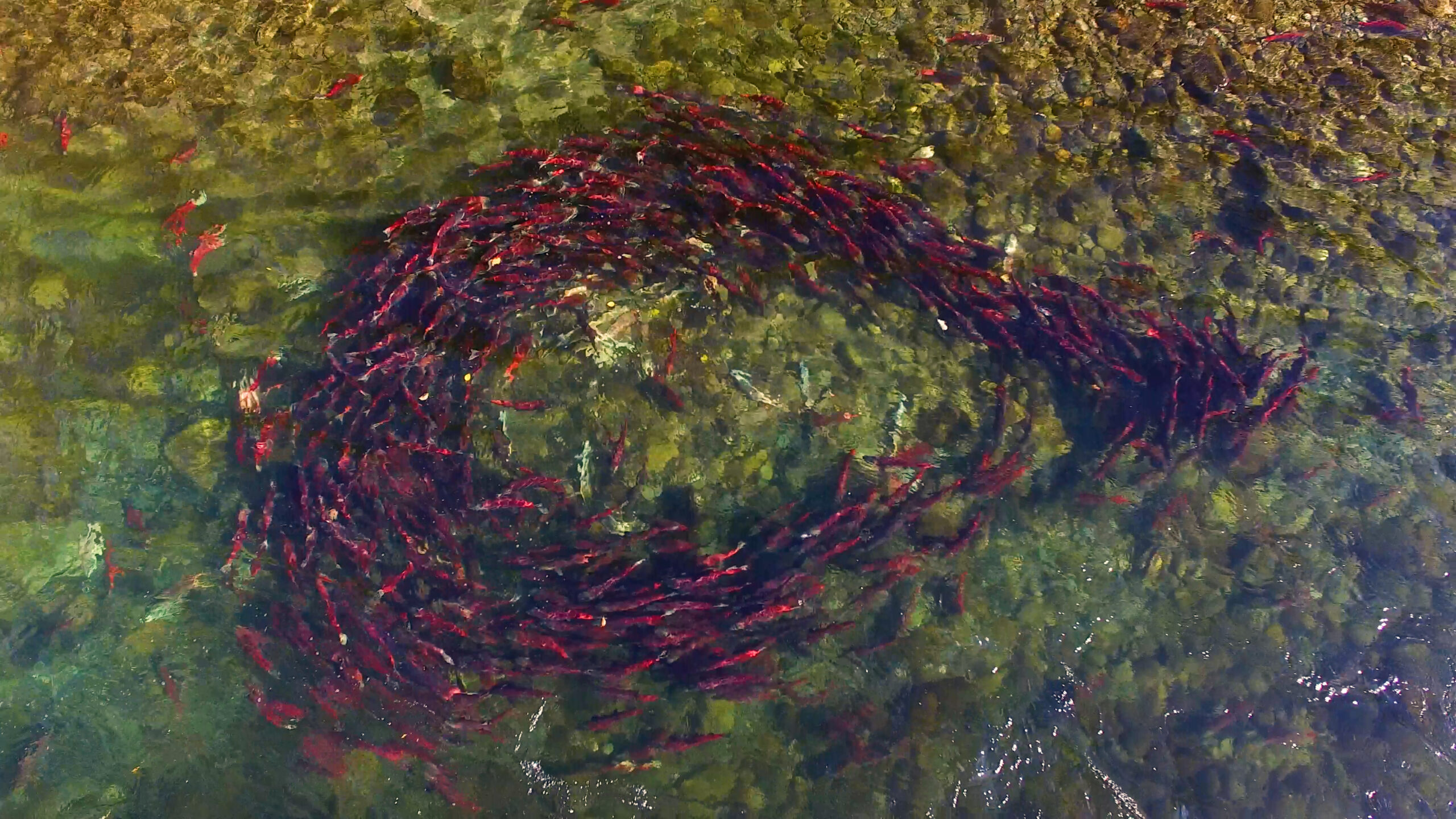
Morton feels wild salmon will be able to replace much of the economy and claims that throughout history they have been a very generous resource. She adds this might be possible through a new technology development in the DFO.
“There’s this extraordinary science that’s trying to grow within the DFO, called genomic profiling, [that] reads the immune system of fish,” she said. “If we really wanted to turn on wild fish again, we would read their immune system at various places around the coast and we could learn exactly what is harming these fish.”
If farming were to continue on land, Morton says it would happen after open-net pens are out of the water for a more level playing field.
The BC Salmon Farmers Association is hoping for more flexibility in paths heading forward.
They say they have the “full suite of tools and options available to ensure [they] are meeting the expectations of the Nations, protecting wild salmon populations, and providing healthy and sustainable meals.”