

Softwood lumber tariffs continue to be a point of contention when it comes to trade with the United States, and with rates continuing to rise this has many companies wondering how they’ll make ends meet.

According to the federal government a review of tariffs was done on Feb. 1, and the results concluded a combined duty rate of 14.54 per cent would be applied to most softwood lumber as compared to previous tariffs of 8.05 per cent.
In a statement on Aug. 13, minister of export promotion, international trade and economic development Mary Ng said measures taken by the United States to increase tariffs would weigh heavily on Canadian producers, and that cost is one that everyone can’t afford.
“This latest measure will negatively impact workers and their communities, U.S. consumers and businesses that need Canadian lumber will bear the burden of these duties, making housing even less affordable for Americans,” Ng says.
Prime minister Justin Trudeau says Canada has been involved in long negotiations in NAFTA to reduce tariffs and with the potential of a second Trump presidency, including a potential increase to duty charges, it could mean increased costs across Canada and the U.S.

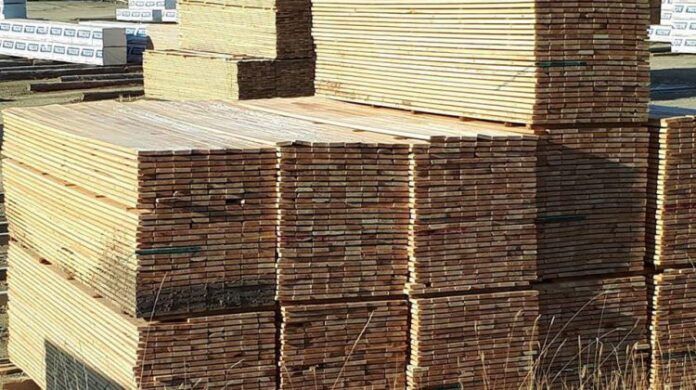
Photo credit: Justin Baumgardner, VistaRadio
“The reality is Americans are facing challenges at the rising cost of housing, and paying more for lumber from Canada makes no sense,” Trudeau says. “That’s an argument we’re making with their administration right now to protect jobs in Canada’s world class forestry industry.
“Canada has demonstrated the principles of sustainability, responsible work practices, and building a better world.”
According to the International Trade Commission, over 40 per cent of the lumber shipped from Canada goes into the United States.
In 2022 the federal government says exported lumber amounted to 1.2 per cent of Canada’s nominal GDP, meaning it brought in over $33 billion.